
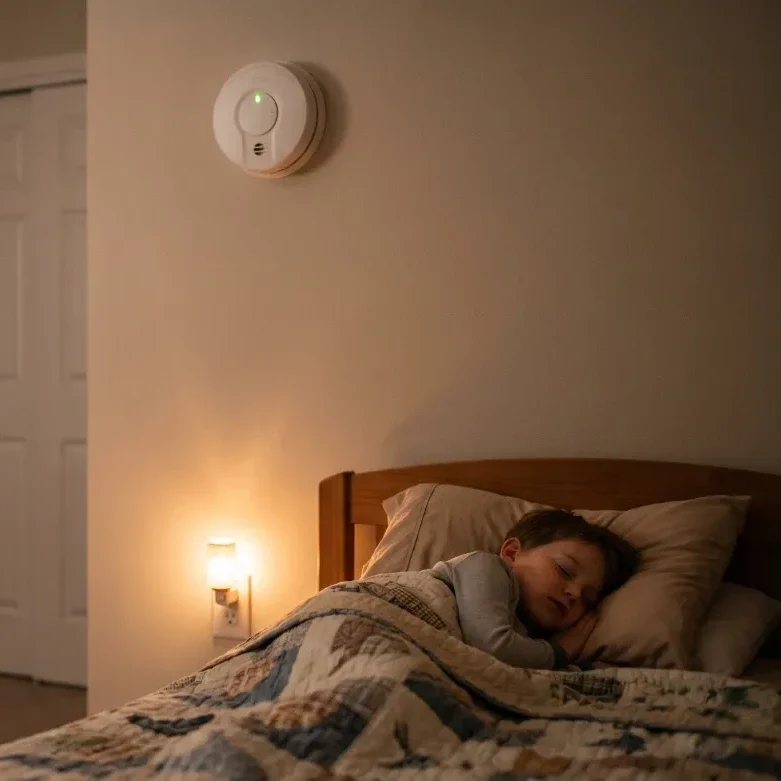
Residential Life Safety & Fire Protection in NH
Smoke, heat, CO, designed as a connected system, not a collection of store-bought alarms.
Why Life Safety Systems Matter More Than Ever for Your Home
Modern homes burn faster than older ones. That's not an opinion — it's a documented consequence of synthetic furnishings and engineered materials, which reach flashover conditions significantly faster than natural materials did in homes built decades ago. The window between a smoldering start and an untenable environment has narrowed.
That's why early detection matters, and why a smoke detector bolted to the ceiling as an afterthought isn't the same thing as a designed life safety system. The devices need to be in the right locations, chosen for the right environments, and connected to monitoring that can act when no one's home to hear the alarm.
We've been designing and installing residential life safety systems for NH homeowners since 2005. Here's how we approach it.
Life Safety Should Protect People First
A “security system” should do more than protect belongings. It should help protect the people inside your home.
Pro Technologies designs and installs residential life safety and fire protection systems across New Hampshire. We focus on early detection, fewer nuisance alarms, and clear response options when a real event occurs.
What a Residential Life Safety System Can Do for Your Home
- Detect smoke and heat early, with technology chosen to reduce nuisance alarms
- Monitor carbon monoxide, which is colorless and odorless
- Get alerts for water leaks and low temperatures before damage spreads
- Add professional monitoring and dispatch options, even when you are away
What We Install and How It Protects You
We choose devices based on the environment of each area of your home. This reduces false alarms and improves real-world detection..
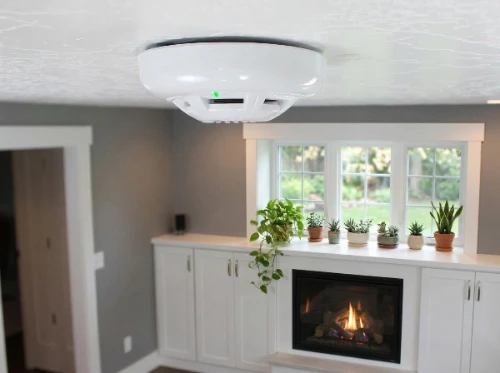
Smoke Detection
Not all smoke detectors behave the same. Photoelectric detection is commonly preferred near kitchens and sleeping areas because it is effective for smoldering fires and tends to nuisance less than some alternatives.
Typical design goals:
Coverage for bedrooms, halls, and key living areas
Fewer nuisance alarms without sacrificing early warning
Clear labeling so you know which area triggered
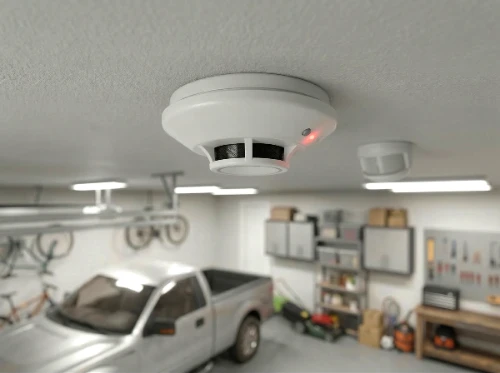
Heat Detection for Garages, Attics, and Utility Areas
Some locations are poor candidates for smoke detectors because dust, exhaust, or steam can cause nuisance alarms. Heat detectors add protection in these spaces.
Common approaches:
Fixed temperature heat detection for stable, higher-heat environments
Rate-of-rise heat detection where rapid temperature increases are the key warning sign
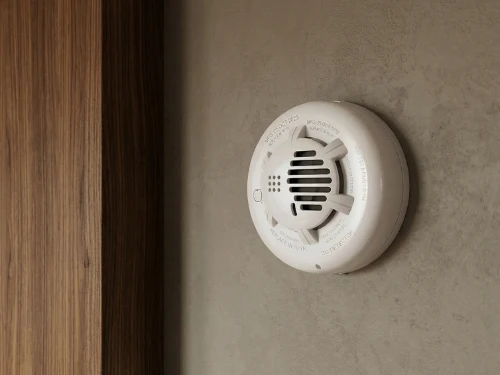
Carbon Monoxide Detection and Monitoring
Carbon monoxide can build from fuel-burning appliances, fireplaces, and attached garages. Professional-grade CO detection helps alert you at dangerous levels and can be connected to monitoring based on your preferences.
If you own a rental or multi-unit property, New Hampshire law requires CO detection in many situations, and references NFPA standards for installation and coverage.
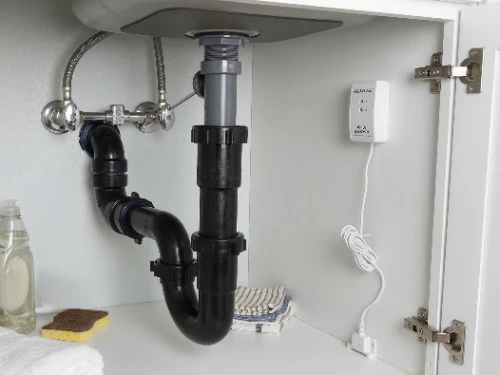
Water Leak and Freeze Alerts
Water damage often starts small and becomes expensive fast. Leak and freeze detection helps you act early, especially for vacation homes and homes left unattended.
Typical design goals:
Water leak sensors near water heaters, sump pumps, washing machines, and under-sink plumbing
Low temperature sensors in basements, crawl spaces, and exterior wall bathrooms
Professional Monitoring Makes the Difference
Standalone, store-bought alarms rely on one thing: someone being home and able to respond.
With 24/7 monitoring, when a life safety alarm triggers, the signal can be routed to trained operators who follow emergency response procedures—especially critical for fire and Carbon Monoxide events.
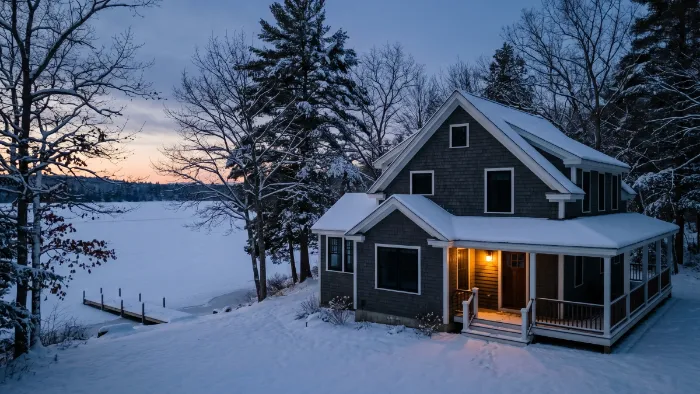
A common concern, especially in New Hampshire winters, is what happens when the power goes out. Our systems include battery backup that keeps detection and monitoring active during outages. Cellular communication paths mean the signal doesn't depend on your internet connection staying up. The system keeps working through the conditions most likely to create a fire or Carbon Monoxide risk in the first place.
This is peace of mind for:
- Families with kids
- Vacation homes
- Seniors aging in place
- Frequent travelers
Smart Home Integration That Helps in an Emergency
With 24/7 monitoring, when a life safety alarm triggers, the signal can be routed to trained operators who follow emergency response procedures—especially critical for fire and Carbon monoxide (CO) events.
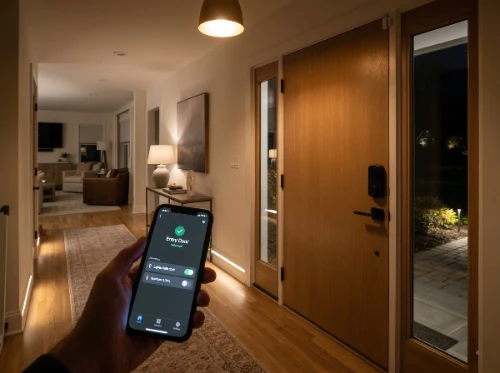
- Turning on interior lights to brighten escape paths
- Flashing exterior lights to help responders find the home
- Integrating with smart locks for easier egress and entry
Installation Options for New Construction and Existing Homes
-
New Construction
Hardwired devices with battery backup give you the most reliable long-term system. We coordinate with your builder on rough-in placement so devices end up where they should be, not wherever was convenient.
-
Existing Homes
Supervised wireless devices eliminate the need for wall penetrations in finished spaces. Modern wireless life safety hardware is reliable and integrable with your monitored system. No compromise on performance.
-
Hybrid Approach
Most existing homes have some hardwired smoke alarms already. We assess what's worth keeping, what should be upgraded, and how to connect everything into a single monitored system without replacing what doesn't need replacing.
Ongoing Maintenance and Replacement Planning
Most residential smoke and Carbon monoxide (CO) detectors have a manufacturer-recommended replacement interval of 7–10 years. Many homeowners don't know when their detectors were installed or when they're due for replacement. As part of our ongoing support, we track device installation dates and can flag when devices are approaching end-of-life — so your system stays current without you having to manage it.
Typical planning includes:
- Regular testing guidance and annual review options
- Battery replacement schedules
- Replacement planning for aging smoke and CO devices
Our Service Area
Proudly protecting New Hampshire neighbors
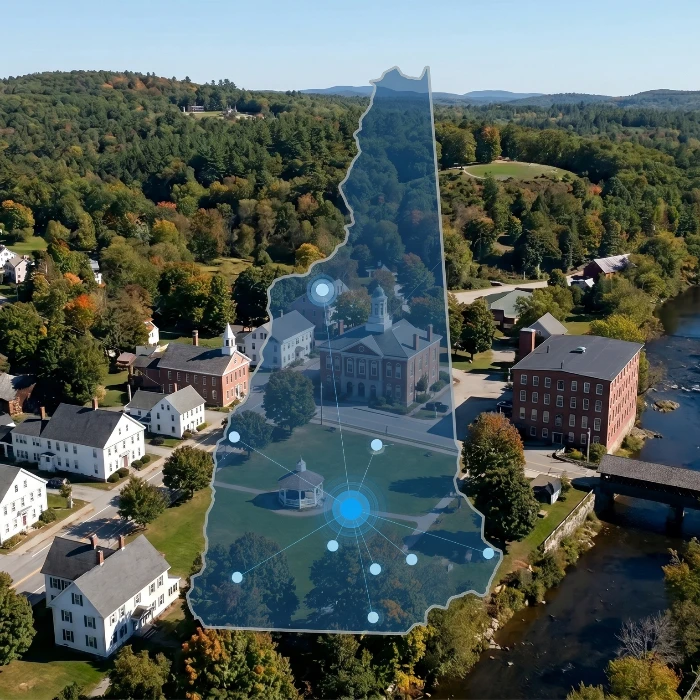
From our Hooksett headquarters, our technicians cover the entire Granite State plus border communities in Maine and Vermont. When you need us, we are not calling in from out of state. We are already close by.
- Manchester
- Concord
- Nashua
- Portsmouth
- Derry
- Laconia
- Bedford
- Keene

New Hampshire Code and Placement Basics
We design around recognized placement guidance for smoke alarm coverage, including inside bedrooms, outside sleeping areas, and on every level of the home.
For many rental and multi-unit situations in New Hampshire, RSA 153:10-a addresses fire warning devices and carbon monoxide detection and references NFPA standards.
Common Questions about Home Fire & Life Saftey
What is the difference between smoke and heat detection?
Can Carbon monoxide (CO) monitoring work even when the system is disarmed?
Can I get water leak and freeze alerts in winter?
What type of smoke detector is best for kitchens and reducing nuisance alarms?
When do you use heat detectors instead of smoke detectors?
Can carbon monoxide monitoring stay active even if my burglary system is disarmed?
Do monitored fire alarms dispatch the fire department automatically?
How does monitoring work if the power goes out?
Can I keep my existing hardwired smoke alarms and still add monitoring?
What does a life safety assessment include?
What should I expect for cost, and are there monthly fees?
Ready to Work with a Company That Actually Cares?
We design and install residential life safety systems for homeowners across southern and central New Hampshire, Manchester, Nashua, Hooksett, Concord, Bedford, Londonderry, and the Seacoast.
Free consultation, no pressure, no packages.
No-obligation. Clear plan that fits today and tomorrow.